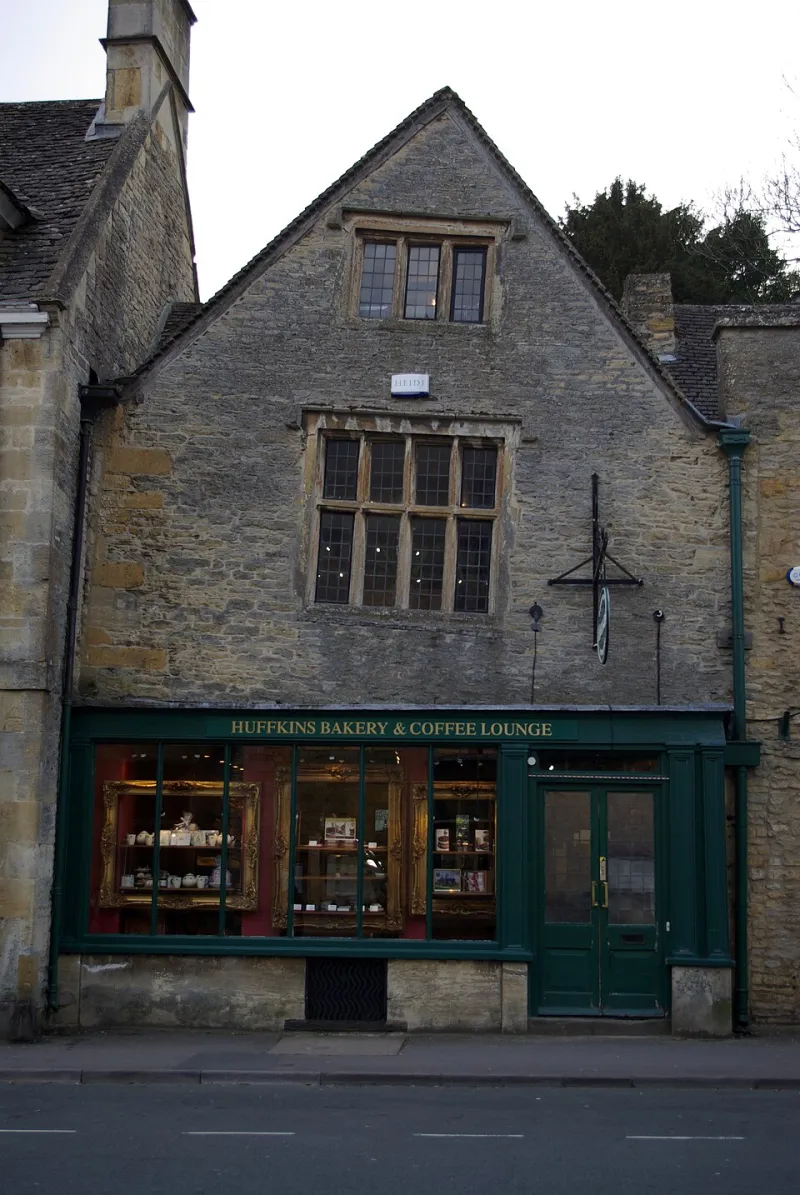
Second Time Around: A Half-Day Trail Round Stow's Fixers and Menders
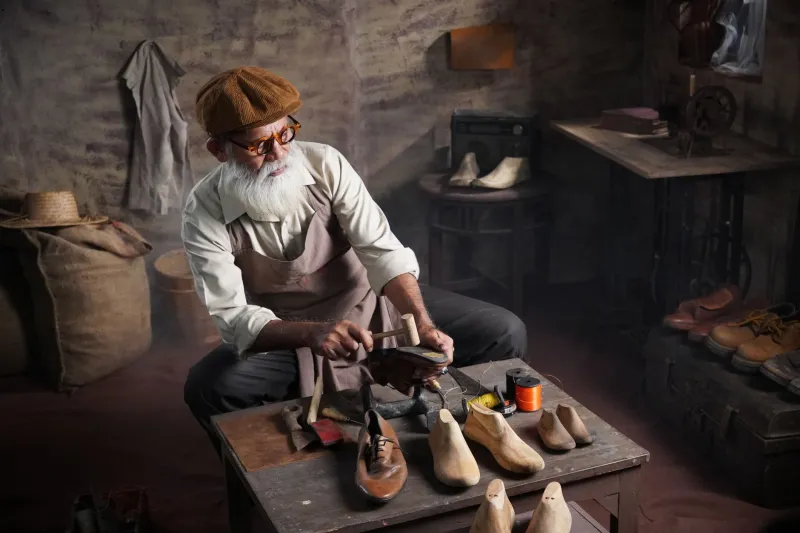
There's a particular sound that comes out of the back of a Stow workshop on a wet Tuesday: the tap-tap-tap of a hammer on a heel, or the low whirr of a sewing machine going through a coat hem. It's not a nostalgia act. It's just the ordinary business of keeping things going, and in this town it's still done within walking distance of where you bought the thing in the first place.
What follows is a route you can actually walk in an afternoon, with rough 2026 prices so you know what you're in for. Bring the broken items in a bag, wear comfortable shoes, and don't expect everything to be done while you wait — most of these jobs are a week, sometimes two.
Why a small town still mends things
Part of it is geography. The nearest big retail park is a drive, and the nearest proper shoe shop that isn't a supermarket aisle is further still. Part of it is that the Cotswolds has always had a streak of thrift dressed up as good manners: you don't chuck a good pair of boots, you get them soled, because your grandfather did.
But the bigger shift is on the customer side. Repairers here say the same thing — since around 2022 the mix has changed. It used to be older customers keeping things alive out of habit. Now it's people in their twenties and thirties bringing in a coat they bought second-hand, or a rucksack with a blown zip, or a lamp they found at a car boot and can't bear to bin.
The route: Square, Sheep Street, Digbeth, back round
Start on the Square, where the jeweller's window hides a watch bench, then head down Sheep Street for the cobbler and the tailor, cut through Digbeth for the bike shed at the back of the yard, and finish up towards Park Street where the furniture man works out of a unit. Total walking: about fifteen minutes end to end, most of it uphill on the way back.
Do it in that order on a Saturday morning and you'll have dropped everything off before the coaches arrive and the pavements get busy.
The cobbler: what a resole really costs
The single most useful shop in town for anyone who walks the Cotswolds properly. A full leather sole and heel on a goodyear-welted boot runs roughly £55–£75 in 2026, and it will take a week or two because the soles come in from a supplier. A quick heel tip is £15–£20 and often done in a few days. Zip replacements on boots £30–£45. Stretching a tight pair: about a tenner, and worth every penny before you give up on them.
What the cobbler will tell you, gently, is that a cheap cemented sole from a high-street fashion brand often isn't worth the repair — the upper gives out before the second sole does. Welted boots, on the other hand, can go three or four rounds. Ask before you commit; nobody here will take your money for a job that won't last.
The watch bench behind the glass
Small, unglamorous, and quietly brilliant. A new battery fitted and the seal checked is £12–£18 depending on the watch; a proper pressure test if you swim in it costs a bit more and is worth insisting on. New straps, bracelet resizing, and straightforward servicing of a mechanical watch are all handled here, though anything complicated gets sent away.
One local watchmaker's line, paraphrased from a chat over the counter: "People bring me their dad's watch and expect it to be worthless. It usually isn't. It usually just needs cleaning." That's the whole trade in a sentence.
Needle and thread: alterations and invisible mending
The tailor on Sheep Street is where half the town's wedding guests get their trousers shortened and where at least one person a month turns up with a moth hole in a jumper and a hopeful expression. Hems £12–£18. Taking in a jacket £30–£45. Replacing a coat lining £50–£80, which sounds steep until you price a new coat.
Invisible mending — the proper reweaving of a small hole or burn — is quoted per job and often farmed out, but it's the difference between a jacket you keep and a jacket you don't.
Two wheels and a bent derailleur
The bike mechanic working out of a yard off Digbeth is the least formal stop on the route. A basic service is £45–£60; a full strip, clean and re-cable around £90–£120. Punctures are done while you wait if he's in. If you've hauled a bike down on the back of the car for a weekend of lanes and something's rubbing, this is the place.
Wood, wicker and a wobbly chair
Furniture restoration is the long-game end of the trail. Re-rushing a seat £80–£120. Regluing a joint and waxing a table £60–£150 depending on how much stripping is involved. A full French polish on a decent piece will run into the hundreds and take a month — and for the right chair, it's still cheaper than anything new that isn't chipboard.
What's worth fixing — and what isn't
- Worth it: welted boots, good coats, mechanical watches, wooden furniture with proper joints, steel bike frames, anything inherited.
- Usually not: fast-fashion soles, zip-up hoodies, cheap quartz watches, flat-pack, anything where the repair quote is over half the new price.
- Ask first: anything electrical. Some things can be rewired; some can't, and a good repairer will say so rather than take the job.
The quiet satisfaction bit
Ask any of them why they do it and you get roughly the same answer, delivered with a shrug. Because it's satisfying. Because a repaired thing gets used, and a replaced thing gets landfill. Because you can see the end of the job at four o'clock, which is more than most people can say.
There's also the local economics of it, which nobody says out loud but everyone knows: a town that can fix a boot, a watch and a chair is a town people can actually live in, not just visit. The coach parties photograph the Square. The repair shops keep it working.
Practical notes
Most of these places shut by 4pm, several close on Mondays, and the tailor is appointment-only on Saturdays in season. Cash is still welcomed more warmly than card in a couple of them. And if you're only in Stow for the weekend, ask about postage — several will happily send items on rather than have you drive back for them.
One last thing: don't turn up at ten on a Saturday in August expecting a chat. Turn up on a Thursday in February instead, and you'll get the full tour of the workshop and a strong opinion on the state of modern shoelaces.