Pinned and Posted: The Quiet Noticeboards That Run Stow
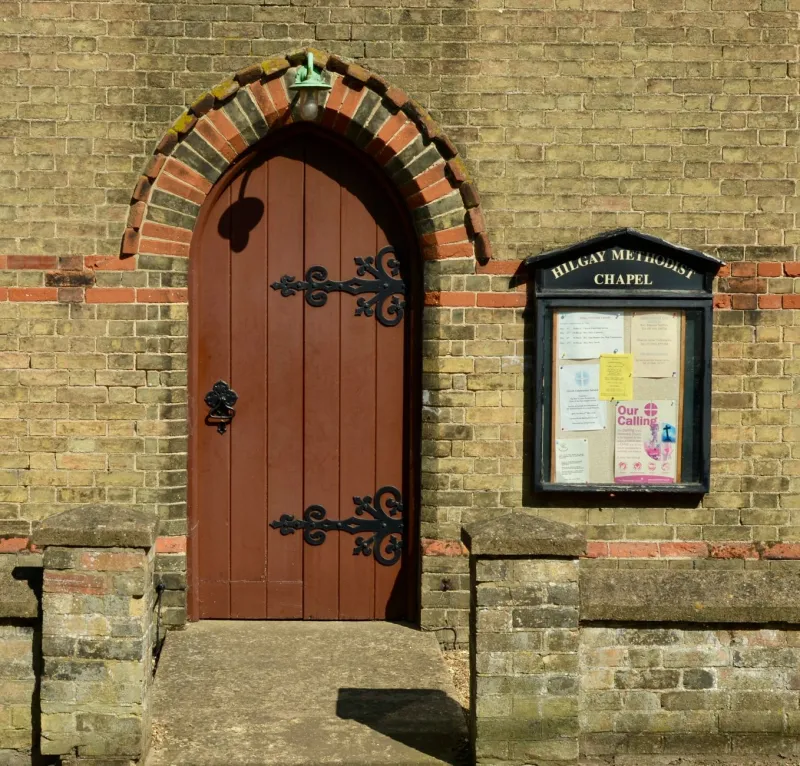
On a Saturday morning in Stow, most visitors look at the honey-coloured stone, the independent shop windows and the coffee queues. Locals look at the boards. Not out of nostalgia, particularly — it's just that the board by the church gate often knows what's happening before the website does. A choir practice moved to Tuesday. The village hall has a quiz on Friday. Someone's dog has gone missing near the Fosseway. The market is on, the road is shut, the bell ringers need another pair of hands.
In 2026, that might sound quaint. It isn't. A noticeboard is a live edit. Printed posters tell you what was planned; the biro tells you what actually happened. If you want to know what Stow is doing this week, stop scrolling and start squinting.
The board is a conversation, not a billboard
A good noticeboard is layered like sedimentary rock. The oldest posters are at the bottom, curling at the corners. The newest are stapled over the top, often slightly askew. Somewhere in the middle is the useful stuff: a date, a time, a phone number, a line that says 'all welcome' or 'volunteers needed'.
Read it the way a local does. First, find the date. If it's passed, ignore it — but don't ignore the pattern. A board that repeatedly advertises bell-ringing practice tells you the tower is active. A board with three different yoga classes tells you the hall is busy. A board with a hand-written note saying 'postponed' tells you the organiser is a real person who ran out of time, which is the most reliable sign of a genuine community event.
Then look at the additions. The biro is the live feed. A printed poster might say 'Saturday, 10am'. A biro scrawl underneath might say 'moved to the porch if wet'. That is the information you actually need.
What to look for, and what to let go
Useful boards are not the tidiest ones. They are the ones with telephone numbers still attached, tear-off strips that haven't all been taken, and a QR code that hasn't been defaced by a sticker for a lost cat.
Look for four things:
- Dates and times, obviously — but also the words 'weekly', 'monthly' and 'first Tuesday', which tell you this is a going concern rather than a one-off.
- Venues, because 'the hall' is only helpful if you already know which hall. In Stow, it usually means the village hall, but not always.
- Names, because the same names appear again and again. The person who signs the gardening club poster is often the person who knows which pub has the back room free.
- Small ads, which are the town's informal economy: dog walkers, piano lessons, a window cleaner with a gap on Thursdays.
Let go of the rest. You don't need to read every parish council planning notice unless you're the sort of person who enjoys reading planning notices. You don't need to photograph every poster. And you certainly don't need to take a tear-off strip if you have no intention of going.
A Saturday morning board trail
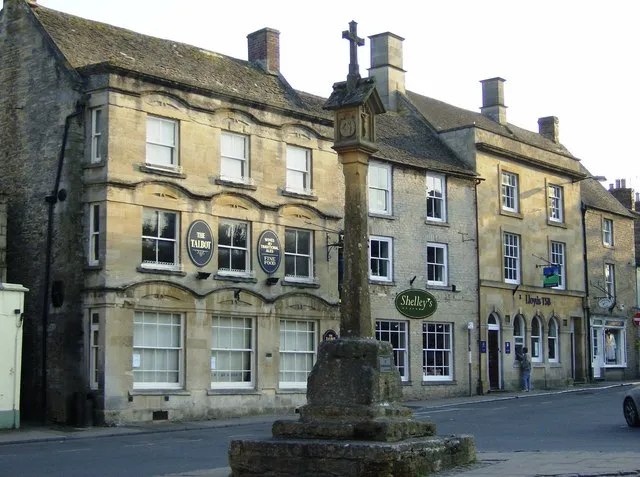
If you want to read Stow properly, give it forty-five minutes and a flat white. Start in the Market Square, where the cross gives you a natural meeting point and the boards around the square give you the week's weather. Check the bus stop board if you're planning a car-free day out — the timetable is often more honest than the app.
Then walk to St Edward's Church. The porch is one of the best boards in town: services, concerts, bell-ringing practice, the occasional request for flower arrangers. It is also where you'll see the town's more formal side — the notices that have been approved by someone with a photocopier and a laminator.
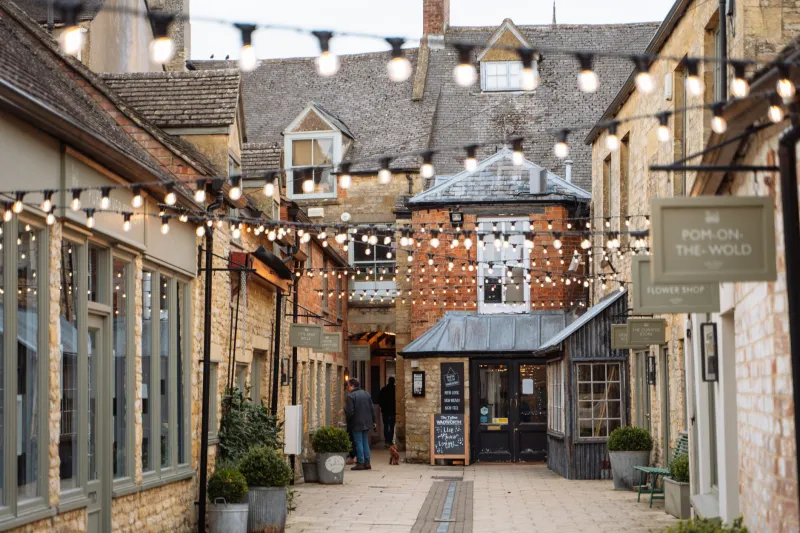
From there, head down Digbeth Street and turn into Sheep Street. This is the shop-window board circuit. Independents use their windows as mini noticeboards: a card for a local walk, a poster for a village hall concert, a handwritten sign about a late-night opening. These are the boards that tell you what the shopkeepers think is worth knowing, which is a decent proxy for what's actually on.
Finish at the village hall, or whichever hall is nearest to your route. The foyer board is usually the most chaotic and therefore the most useful. Quiz nights, film nights, keep-fit, a jumble sale, a lost dog. If you see a poster for something happening that afternoon, change your plans. That's what the boards are for.
Who's who in the pins
A noticeboard is also a quiet directory of local life. The same names recur: the churchwarden, the parish clerk, the person who runs the gardening club, the bell captain, the woman who organises the Christmas lights. You don't need to memorise them. You just need to notice that they exist. If you're new to Stow, or just visiting regularly, the boards tell you who to ask about what.
And they tell you where the town gathers. A concert poster in the church porch means the church is a venue, not just a monument. A quiz poster in the hall means the hall is a social space, not just a building. A lost dog notice with a mobile number means someone trusts the town enough to put their business on a piece of A5.
A few etiquette notes
Don't move the pins. Don't add your own poster without asking whoever runs the board — usually the parish council, the church or the hall committee. If you take a photograph of a number, don't post it online. And if you see a date that has passed, resist the urge to tidy it up. Someone will get to it. Or it will stay there until it becomes history, which is its own kind of local record.
The boards are not the whole of Stow. They are the paper internet of the Cotswolds: slow, messy, occasionally out of date, and surprisingly good at telling you where to be on a Saturday morning. Check them before you book anything. The town is usually already saying what it's doing.